
Legacy Planning and the Chicken Shoot Legacy Building in the UK
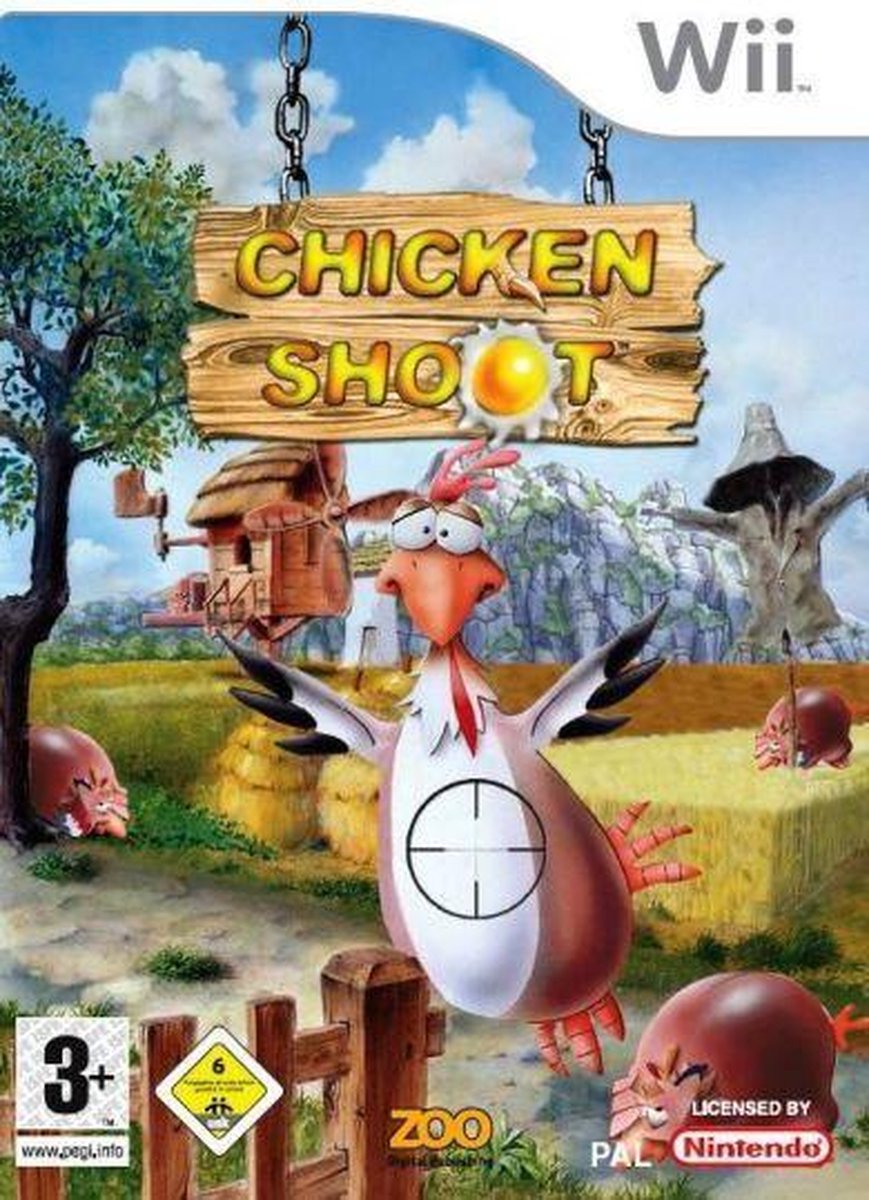
Legacy building traditionally involved about houses, money, and heirlooms. Currently, for a cohort of gamers, it includes something else: the digital worlds they've built up. Take a game like Chicken Shoot Game Free. The milestones unlocked, the unique items bought, the high scores set—they might not be physical, but they matter. They embody hours of skill and memory. This article looks at how UK estate planning is starting to catch up with this idea. We'll use Chicken Shoot as an case study to talk about how you can guarantee your gaming legacy is managed with care, making digital assets a genuine part of your final plans.
Understanding Digital Holdings in Gaming
So what counts as a digital asset in a title like Chicken Shoot? It's anything you've earned or bought within the game. The game itself if you downloaded it, any extra downloadable content (DLC), exclusive characters or armaments, your stack of in-game gold, and the hard-won achievement badges. You spend time or money into obtaining these things. They have value to you. From a legal standpoint, it's a different situation. You do not possess them like a book on a shelf. You authorize them through these long agreements you click 'agree' to without reading. These End User License Agreements (EULAs) rarely let you give your account to someone else. For executors dealing with an estate, this is a challenge. The standard terms of service can shut them out completely, abandoning a gamer's virtual trophies in limbo.
The Purpose of Estate Administrators and E-Wills
Selecting the right executor is critically important. Select someone you trust who also comprehends the basics of online accounts. This person will fulfill your wishes for your digital assets. A solicitor can assist by adding a "digital will" or a codicil to annualreports.com your main will. This provides your executor the legal authority to handle your online presence, even if it technically breaks a platform's terms of service. They would be acting under their legal duty to administer your estate. The document should spell out what they have permission to do: access, archive, or close specific accounts. Establishing this framework in place helps stop your accounts from being deleted by a company after a period of inactivity, vanished without a trace.
The Legal Framework for Digital Assets
Where does UK law say about all this? It is playing catch-up. There's no special law yet for passing on digital game accounts. The Law Commission of England and Wales has proposed creating a new type of personal property for some digital assets, that would help. For now, the fate of your Chicken Shoot profile relies almost completely on the policies of the service it is on. The large corporations—Steam, Xbox, PlayStation—usually ban account transfers outright. Should they get a death certificate, their standard move is to close the account down. Everything within disappears. This is why you cannot ignore the issue. You require a plan, and you should talk to a legal advisor about your digital life before it becomes too late.
Beyond Material Goods: Safeguarding Memories and Heritage
Sometimes the significance isn't in a virtual item, but in the story it conveys. That top score in Chicken Shoot, that almost unattainable achievement, your custom player profile—they're pieces of your story. Your estate plan can help protect that story. Leave instructions for your relatives. Tell them to keep files of your finest screenshots, funny gameplay clips, or your most cherished social media posts about gaming. Some services will honor a account. The legislation concerns itself with what can be handed down, but your personal wishes can preserve the emotional side of your pastime. It's a means to guarantee your whole identity, with your passions, is cherished.
Emerging Directions in Virtual Estate
As our lives move further online, the law must adapt. In the UK, new legislation is expected that should define digital assets more clearly and delineate what rights executors have. We might see official "digital executor" roles, or platforms allowing you to designate a legacy contact. Blockchain technology could even facilitate provable ownership and transfer of some digital items. For a game like Chicken Shoot, this could mean your nephew might one day actually inherit your rare in-game items. Getting this right will demand collaboration from both sides: individuals need to document their wishes now, and lawmakers need to create structures that treat a digital legacy with the same respect as a box of old photos and letters.
Platform Guidelines and Terms of Service
You need to be realistic, and that involves reading the fine print. Valve's Steam, Microsoft's Xbox, and Sony's PlayStation Network all have those non-assignable clauses in their terms of service. They claim it's for protection and to combat fraud, but the outcome is the similar: you can't will your account to your acquaintance. Some could let a verified family member deactivate an account or obtain a duplicate of the data, but that is it. They will not let someone else log in and game. If you're a Chicken Shoot fan, consult the conditions for your service. It defines the boundaries for what's achievable. Legal changes could compel companies to introduce better "digital inheritance" options in the future. Currently, your plan should center on supplying your administrators the details they need to at least finalize things appropriately or demand your data.
Methods to Incorporate Your Gaming Legacy
Begin by compiling a list. Jot down every digital gaming asset you have. Record your usernames on Steam, PlayStation Network, or Xbox Live. Enumerate the games that are significant to you, like Chicken Shoot. Incorporate the email addresses associated to these accounts. Store this inventory somewhere protected, like with your solicitor, and include it in your will or a separate letter of wishes. You may not be able to bequeath the account itself, but you can leave clear instructions. Tell your executors if you'd like them to request a memorial, or to download your game data and screenshots. One important warning: never write your passwords in your will. Wills become public record. Utilize a secure password manager with a legacy access feature instead, and explain how to access it in your private instructions.
Common Questions
Can I legally leave my Chicken Shoot game account to someone in my will?
Likely not. You likely have a license to access the account, not own it. The platform's Terms of Service typically ban transfers. Your will can include your account and leave instructions, but the company may still close it when they learn of your death.
What constitutes the most important step to follow for my gaming legacy?
Document everything. Make a secure, up-to-date list of every digital asset: usernames, platforms, and key games. Store this list with your important papers, reference it in your will, and ensure your executor knows it is available and what you desire done.
Should I put my game passwords in my will?
Absolutely not. Don't this. A will is not private after probate. Utilize a trusted password manager with a legacy access feature. Supply the instructions for accessing that manager to your executor privately, through your solicitor.
What can an executor really do with my gaming account?
They can follow your instructions. They are able to contact the platform to request account closure or ask for a download of your data, like your purchase history or saved files. They might be able to memorialise a linked social profile. What they usually cannot do is let someone else inherit the account and keep playing.
Do digital assets like in-game purchases considered as part of my estate's value?
For inheritance tax, not at all. Their resale value is generally nil because the licenses cannot be transferred. But they are still part of your digital estate. Your executors ought to be aware of them to handle them as you wanted, even if they don't add to the estate's financial total.
To what extent are UK laws changing regarding digital inheritance?
The Law Commission has suggested making digital assets a new type of property. This would give executors clearer rights to retrieve and manage them. However, this is not yet law. At present, planning depends on platform rules and your own clear instructions.
What happens if my family isn't tech-savvy?
Choose an executor or helper who gets it. In your instructions, outline the process into easy, clear steps. Explain why certain things, like saving your screenshot collection, are important to you. Your solicitor is also able to guide them on the legal steps.